Empathy
Day of the Dead: flowers and memories to keep us close
A space to bring memories to the fore
3 min
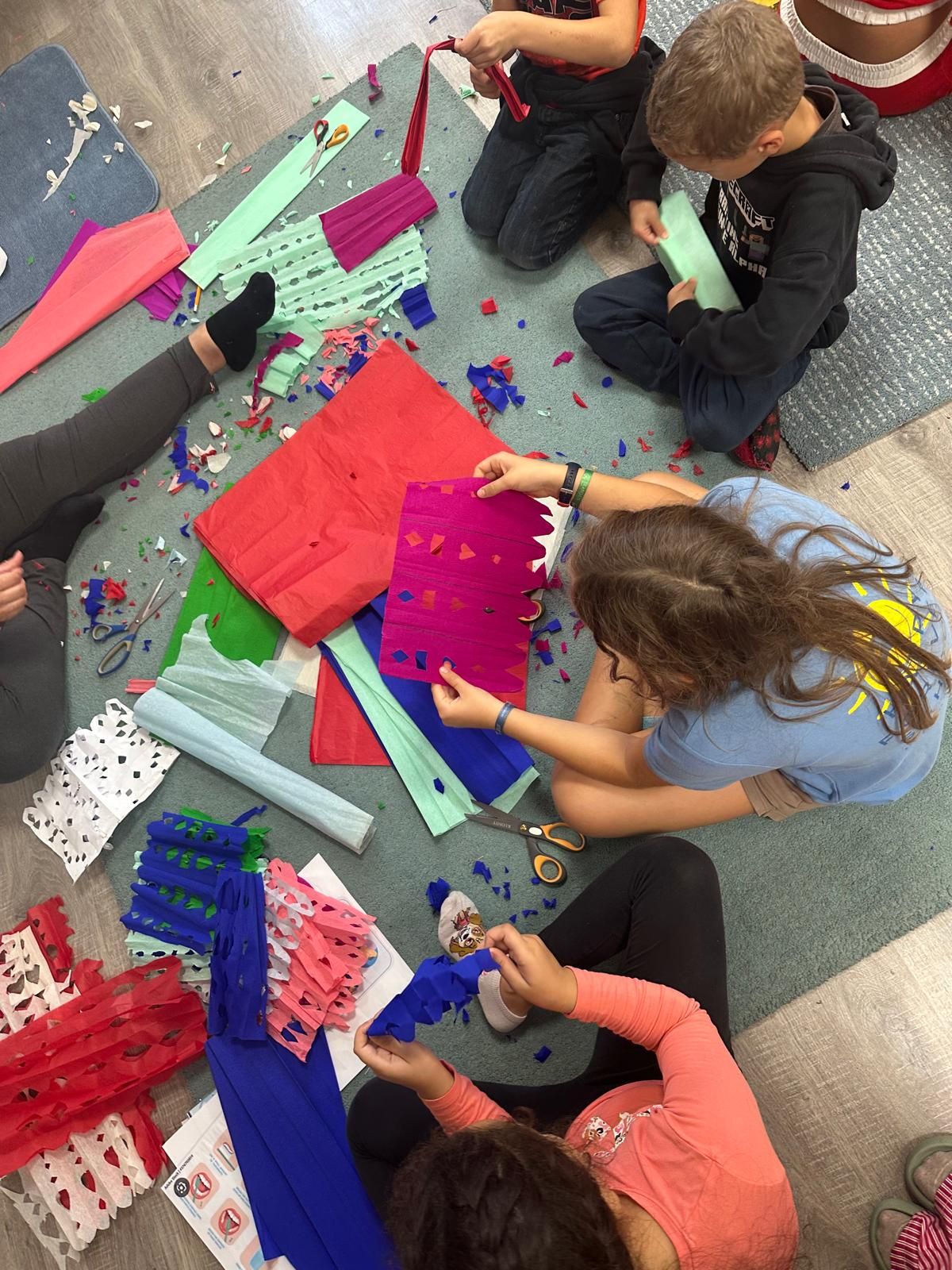
flower, a photograph or a recipe can tell the story of someone we love. The Day of the Dead invites us to share these stories with children and to learn how different families remember those who have passed away.
Engaging with this celebration does not require adopting a religious belief. We can explore its cultural significance with respect, recognising that people have different ways of understanding life, death and remembrance.
Learning about a tradition, respecting different beliefs
In Mexico’s indigenous communities, the Day of the Dead celebrates the temporary return of deceased loved ones. Flowers, offerings and their favourite foods form part of this tradition, recognised by UNESCO as Intangible Cultural Heritage of Humanity.
We can explain to children that some families believe in this return, whilst others see this time of year as an opportunity to remember and come together. Understanding both perspectives allows us to discuss the subject without imposing a single interpretation.
Flowers: observing with the senses
The cempasúchil holds a special place in the celebration: its petals form paths which, according to tradition, guide the souls towards the offerings.
A flower also offers an opportunity to pause and observe. Its colours, the texture of its leaves and its scent can spark questions: are all the petals the same? How does the stem feel? What differences can we spot between two flowers?
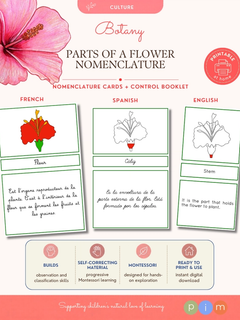
There’s no need to turn the encounter into a lesson. We can let the child explore first and then guide them with words. If they show an interest in identifying the flower’s parts, *The Flower Nomenclature* can expand on that discovery in a simple way.
The altar as a space of remembrance
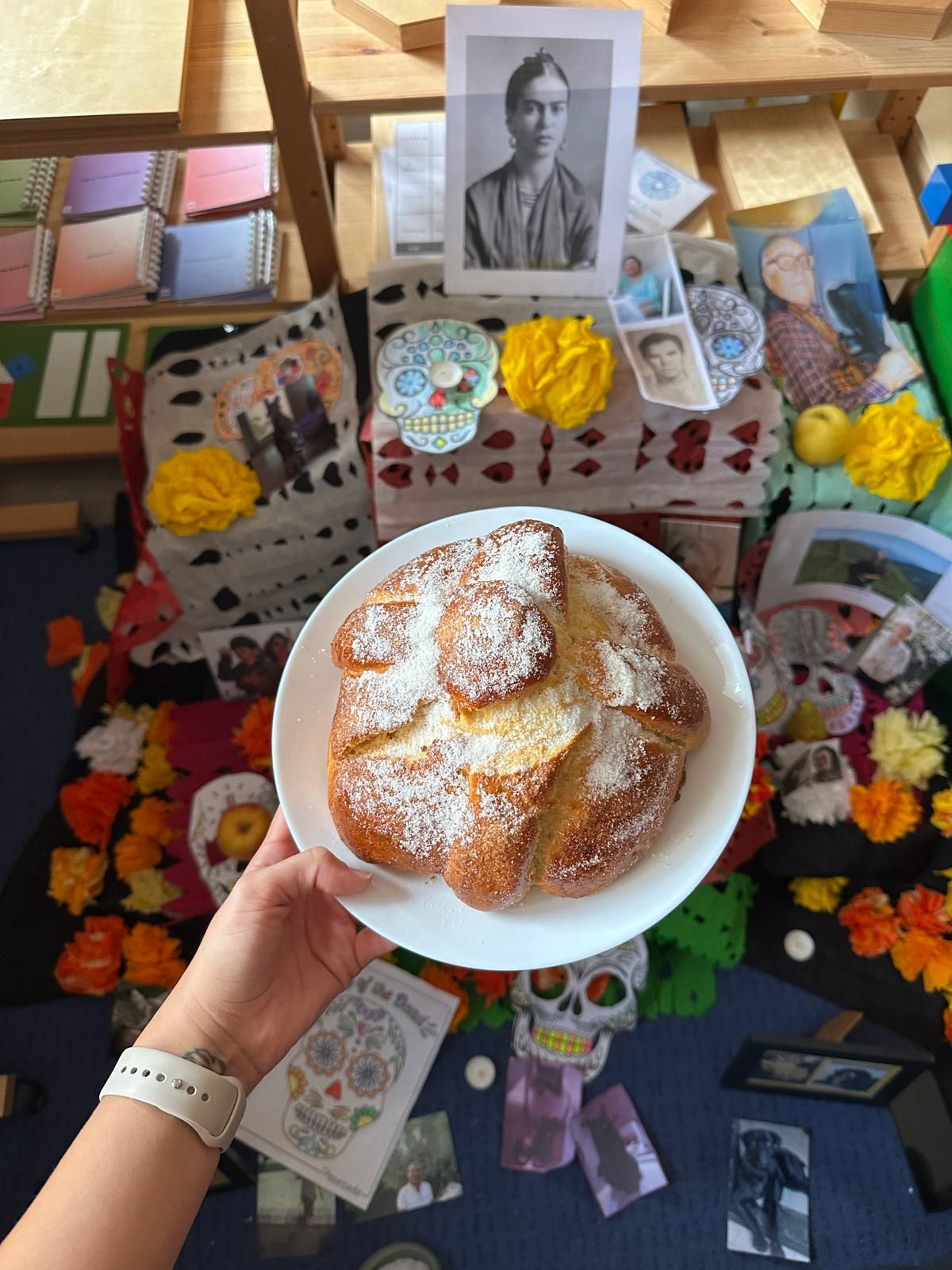
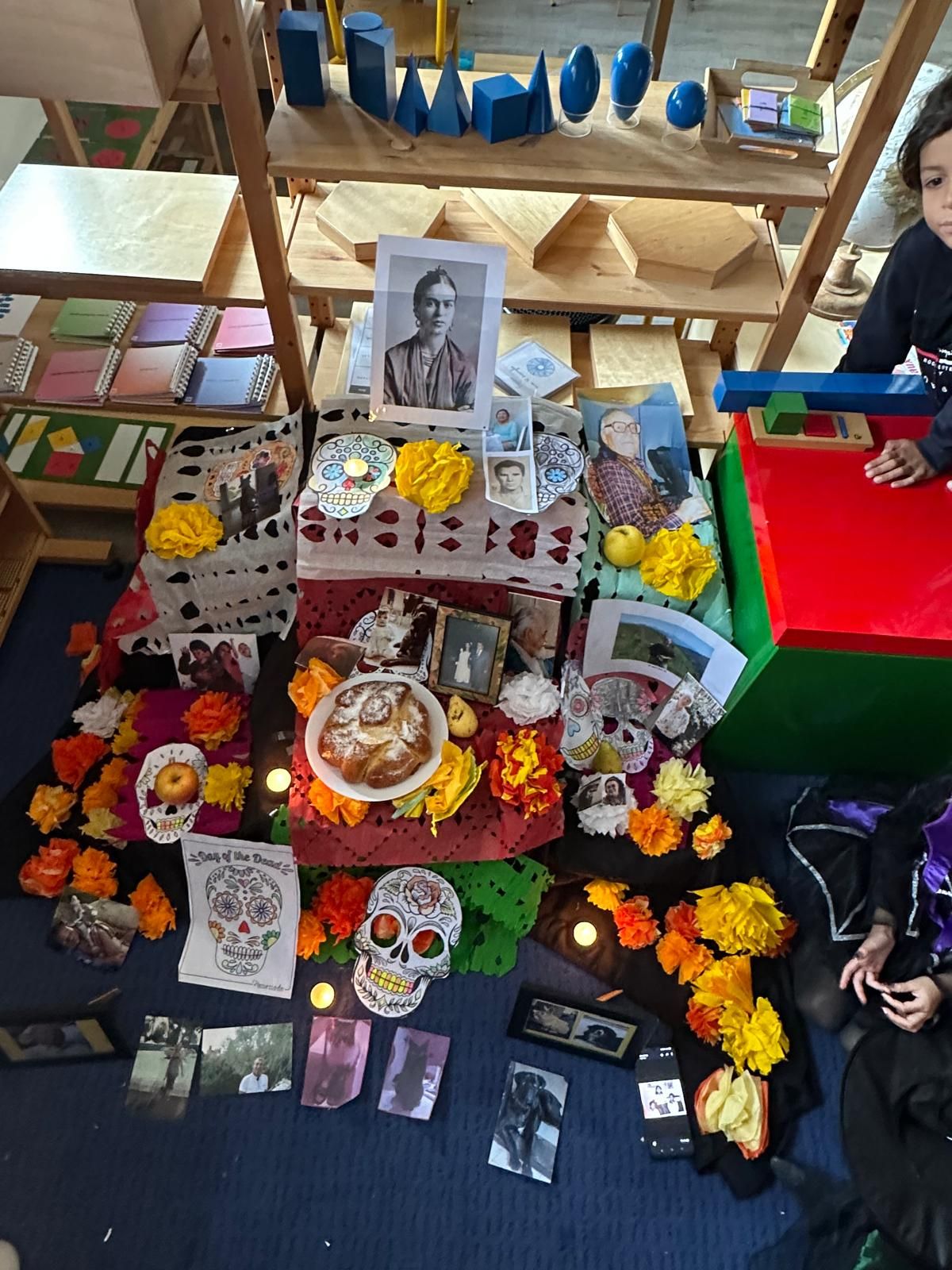
A photograph, a meal or an everyday object takes on a different meaning when we explain who they belonged to: ‘This was the cup your grandfather used’ or ‘He really liked this song’.
From a non-religious perspective, the altar can be seen as a space for making memories visible. The objects do not replace the person or erase their absence; they help us to remember them and share their stories, even with children who never got to know them.
Speak clearly and sensitively
If questions about death arise, it is best to answer in simple terms. UNICEF recommends avoiding expressions such as ‘she fell asleep’ or ‘she went on a trip’, which can cause confusion, and distinguishing between facts and family beliefs.
We can say:
“Grandma has died and we can’t be with her as we used to. We can remember her by looking at her photos, telling her stories or making something she used to like.”
There’s no need to force the conversation. The child may ask questions, listen or simply observe.
The Day of the Dead can be an opportunity to learn about other cultures and to make space for affection, questions and sadness. Sometimes, keeping someone close begins with something as simple as saying their name and sharing a story.
https://ich.unesco.org/es/RL/dia-de-muertos-fiesta-indigena-dedicada-a-los-muertos-en-mexico-00054 https://www.unicef.org/media/84131/file/CFC-COVID-19.pdf